

Alright let’s talk about something pretty cool and unusual – making natural dyes from succulents. Now I know what you’re thinking – aren’t these plants mostly greens and blues? Well yes but they can actually produce some surprisingly beautiful colors when you know how to extract them properly. This is a great way to use plant trimmings or leaves from your succulent care routine that would otherwise go to waste.
First things first – safety. Some succulents like certain Euphorbia species have sap that can be irritating to skin so always wear gloves when handling plants you’re not familiar with. Stick to common non-toxic varieties like Jade Plant (Crassula ovata) or Ghost Plant (Graptopetalum paraguayense) when you’re starting out. Even better use plants from your own collection rather than harvesting wild specimens.
The basic process is similar to making dyes from other plants but with a few special considerations for succulents. You’ll want to start with fresh plant material – the colors tend to be more vibrant than from dried plants. Chop the leaves or stems into small pieces to increase surface area – this helps release more pigment during the cooking process. A good rule is to use about equal weight of plant material to whatever you’re dyeing.
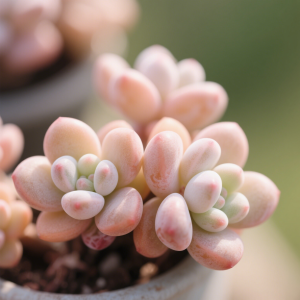
Now here’s where it gets interesting – different succulents produce different colors. Those Moonstones (Pachyphytum oviferum) with their lovely purple tones? They can actually yield a soft lavender dye. The Zebra Plant (Haworthia fasciata) might give you a subtle greenish-yellow. Even common Snake Plant (Sansevieria) leaves can produce a pale green dye. It’s all about experimentation since the colors can vary based on growing conditions and plant health.
The extraction process involves simmering the plant material in water for an hour or two. Don’t boil vigorously – a gentle simmer helps release the pigments without destroying them. You’ll notice the water changing color as the pigments leach out. Once you have a nice colored liquid strain out the plant material and return the dye to the pot.
Now for the fabric or material you’re dyeing – it needs to be prepared with a mordant to help the color adhere. Aluminum acetate works well for plant-based fibers like cotton or linen while alum is better for protein fibers like wool or silk. The mordant helps the color bond to the fabric and improves colorfastness.
After mordanting wet your material thoroughly and submerge it in the dye bath. Simmer gently for about an hour stirring occasionally to ensure even color distribution. The longer you leave it in the deeper the color will be but remember that the color will lighten as it dries.
Once you’re happy with the color remove the material from the dye bath and rinse it in cool water until the water runs clear. Hang to dry away from direct sunlight which can fade the colors. You’ll be amazed at the subtle beautiful colors you can achieve from plants you might already be growing.
If you’re thinking about scaling up this process you might need to source plants in larger quantities. That’s where understanding the succulentes en gros market comes in handy. Many of the plants available in stores come from those massive growing operations in China – when people search terms like succulent china ou succulents china they’re often looking at these large-scale producers.
For larger projects you might even consider working with a succulent supplier who can provide plants in succulentes en vrac quantities. This could be more economical if you’re planning to produce significant amounts of dye. Just make sure you’re working with a reputable succulent company that understands your needs and can provide consistent quality plants.
The beauty of using succulents for dye is that many are quite succulente facile à cultiver varieties that you can cultivate specifically for this purpose. Plants like Hen and Chicks (Sempervivum tectorum) spread readily providing a continuous supply of leaves for dyeing. Others like certain Sedum varieties grow quickly and can be harvested multiple times per season.
For those interested in more unusual colors some succulente rare varieties might yield unique dyes. The deep purple leaves of certain Echeveria varieties could potentially produce interesting hues though you’d need to experiment to see what actually transfers to fabric. This is where having a diverse collection can be really rewarding.
After dyeing you might find yourself with leftover plant material. Consider composting it rather than throwing it away – it’s a great way to complete the sustainability cycle. The dried leaves can also be used in crafts or as mulch for your garden.
Whether you’re dyeing yarn for knitting fabric for sewing or even paper for art projects succulent dyes offer a natural sustainable alternative to synthetic dyes. The colors may be more subtle than what you get from chemical dyes but they have a unique beauty that can’t be replicated. Plus there’s something really satisfying about creating color from plants you’ve grown yourself.
So next time you’re pruning your succulents or have leaves that have fallen off during repotting consider saving them for dyeing rather than tossing them. You might discover a whole new creative outlet that connects your love of plants with art and craftsmanship. It’s a wonderful way to get even more enjoyment from your succulent collection.
 English
  Arabic
  Dutch
Dutch  German
  French
  Portuguese
  Spanish
  Russian
  Japanese
  Korean