

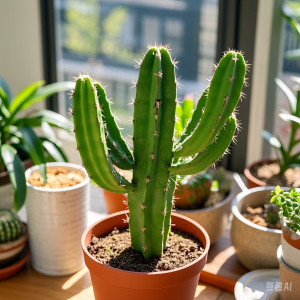
It started with just one tiny white speck on my favorite Echeveria. Within weeks, my entire succulent collection was under attack by mealybugs – those dreaded cotton-like pests that suck the life from plants. What followed was an intense three-month war to save my plants, during which I tried every treatment from chemical sprays to natural remedies. Here’s exactly how I eradicated mealybugs without losing a single succulent, and how you can protect your collection from similar devastation.

The first signs were subtle – a slight yellowing of leaves, some sticky honeydew residue, and those telltale white cottony clusters in leaf axils. I made the critical early mistake of just removing visible bugs without treating the whole plant. Mealybugs reproduce rapidly, with females laying up to 600 eggs in their short lifespan. By the time I realized the severity, they’d spread to over twenty plants through contact and airborne nymphs.
Initial attempts with neem oil proved frustrating. While it killed bugs on contact, the oil left ugly residue on my succulents’ farina (that precious powdery coating). Some plants developed sun sensitivity after treatment. Alcohol sprays worked better – I used 70% isopropyl alcohol in a spray bottle, thoroughly dousing every crevice. This required repeat applications every 3-4 days to catch newly hatched nymphs. For severe infestations, I added a few drops of dish soap as a surfactant to break through the bugs’ waxy coating.
The real breakthrough came when I implemented a multi-pronged attack strategy. First, I quarantined all infected plants in a separate room. Then I performed manual removal using cotton swabs dipped in alcohol to wipe off every visible bug and egg mass. This was tedious but crucial – mealybugs hide in microscopic crevices. After cleaning, I sprayed plants with a systemic insecticide containing imidacloprid, which makes the plant itself toxic to sucking insects. For organic growers, insecticidal soap works as a less potent alternative.
Root mealybugs presented a more sinister challenge. These soil-dwelling pests went unnoticed until plants began inexplicably declining. I discovered them when repotting a suddenly wilted Haworthia – the roots were coated in white powder. Treatment required unpotting every suspect plant, washing roots thoroughly, and replanting in fresh sterile soil. A root soak in warm water with hydrogen peroxide helped kill remaining eggs. Now I routinely check roots during repotting as preventative maintenance.
Preventing reinfestation became my ongoing mission. Mealybugs thrive in stagnant air, so I added a small fan to improve circulation. Regular inspections with a magnifying glass help catch new outbreaks early. I avoid over-fertilizing since tender new growth attracts pests. New plants now undergo a strict two-week quarantine before joining the main collection. Diatomaceous earth sprinkled on soil surfaces creates a barrier against crawling nymphs.
The experience taught me valuable lessons about pest management. First, early intervention is crucial – what starts as a minor issue can explode overnight. Second, persistence pays off – mealybug eradication requires consistent treatment over several life cycles. Third, prevention beats cure – maintaining plant health and practicing good hygiene prevents most infestations. My collection is now healthier than ever, and I can spot the first signs of mealybugs before they establish.
For those currently battling these pests, don’t lose hope. With systematic treatment and patience, even severe infestations can be overcome. Start by isolating affected plants, then implement a combination of manual removal, targeted sprays, and systemic protection. Monitor diligently for several weeks after the last visible bug disappears. Your succulents can recover fully and thrive again with proper care.
#SucculentPests #MealybugTreatment #PestControlForSucculents #SaveInfestedPlants #SucculentCare
What pest control methods have worked for your succulents? Share your experiences and tips in the comments below!
 English
  Arabic
  Dutch
Dutch  German
  French
  Portuguese
  Spanish
  Russian
  Japanese
  Korean