

- Why I Started Growing Cacti
- Lesson 1: Cacti Are Actually Easier Than Succulents
- Lesson 2: Cacti Need Even More Light Than Succulents
- Lesson 3: Water Even Less Than You Think
- Lesson 4: Use Very Gritty Soil and Pots with Holes
- Lesson 5: Pay Attention to Temperature
- Lesson 6: Watch Out for Sharp Spines
- Lesson 7: Getting Them to Bloom Is Addictive
- Lesson 8: Pests Are Rare but Not Impossible
- Lesson 9: Repotting and Root Pruning Matter
- Lesson 10: Growing from Seed Is Slow but Rewarding
- Réflexions finales
I used to be completely indifferent to cactus. Green, spiky, and they do not even bloom (I later learned I was just wrong about that). What is the point? Plus, I had been traumatized by cactus spines as a kid. I only started growing cacti after I got into succulents. I picked up a few as filler plants. And then I fell down the rabbit hole. Now, I have more cacti on my balcony than succulents.

flowers
Three years later, I have gone from knowing nothing to figuring things out the hard way. I have killed my fair share along the way. Today, I want to share my real experiences to help you avoid the same mistakes. CNGarden has always been a brand I trust. Their plants are great quality. And if your home does not have good light or you just do not want the hassle, CNGarden also makes incredibly realistic artificial plants et fake flowers that stay beautiful with zero watering or sunlight.
Why I Started Growing Cacti
Honestly, it started as an add-on to my succulent orders. I bought one Gymnocalycium mihanovichii (moon cactus). Small, round, and the spines were not even sharp. Then summer came, and it bloomed. A huge pink flower, bigger than the cactus itself. I was blown away.
That was the beginning. I started collecting them. Astrophytum, Mammillaria, Echinocactus, Lophophora, Rebutia, Turbinicarpus. The names are fascinating, and the shapes are wildly different. Some look like stars, some like fuzzy balls, some like rocks. The cactus world is incredibly rich once you get into it.
Lesson 1: Cacti Are Actually Easier Than Succulents
In my experience, cacti are tougher than succulents. Succulents hate humidity and heat. They rot and melt in summer. Cacti are much more forgiving. As long as you are not watering them every day, they will probably survive.
Best cacti for beginners:
-
Gymnocalycium mihanovichii (Moon Cactus): A blooming machine. Large, colorful flowers. Cheap and easy.
-
Echinocactus grusonii (Golden Barrel Cactus): A classic. Round, golden spines, very architectural.
-
Mammillaria plumosa (Feather Cactus): Covered in soft white fuzz. Does not sting. Very cute.
-
Astrophytum (Bishops Cap, Silver Dollar): Slow-growing but beautiful. White fuzzy dots and stunning pink flowers.
-
Mammillaria gracilis (Thimble Cactus): Small, with white star-like spines. Perfect for small pots.
All of these are affordable, tough, and great for beginners.
Lesson 2: Cacti Need Even More Light Than Succulents
Cacti are desert plants. Deserts have brutal sun. So cacti demand even more light than most succulents. If they do not get enough light, they stretch. A stretched cactus looks ridiculous. A perfectly round barrel cactus will turn into a tall, thin cylinder. Ugly.
What I do:
-
A south-facing balcony is a must. All my cacti sit on the south-facing edge, getting 6-8 hours of direct sun daily.
-
In peak summer, I put up a thin shade cloth to prevent sunburn.
-
In winter, when the sun is weak, I let them get as much sun as possible. No shade.
If you do not have good light:
Cacti are very hard to keep healthy without adequate light. Either get a grow light, or choose a different plant. If you really want the look without the light, CNGarden makes incredibly realistic artificial plants – fake cacti that need zero sun.
Lesson 3: Water Even Less Than You Think
Cacti store more water than succulents. Their roots, stems, and even spines are designed for drought. So water very, very sparingly.
My watering habits:
-
Spring, Summer, Fall (growing season): Water only when the soil is completely dry. I use the “soak and dry” method. But make sure to empty the saucer afterward. Never let the pot sit in water.
-
Winter (dormancy): I basically stop watering. When temperatures drop below 50°F (10°C), I cut off water completely. I resume in spring when it warms up.
-
Seedlings can tolerate a bit more water, but still, let the soil dry out between waterings.
How to tell when to water:
Poke your finger or a wooden skewer into the soil. If it feels dry all the way through, wait another 3-5 days. A cactus can survive two months of drought. But one wrong watering can kill it.
A painful lesson:
One winter, I thought the indoor heating was drying the air too much. So I watered my Astrophytum just a little. A few weeks later, it turned soft. I pulled it out, and the roots were completely rotten. Cacti really do not need water in winter.
Lesson 4: Use Very Gritty Soil and Pots with Holes
Cactus roots hate being waterlogged. If the soil does not drain fast, the roots will rot.
My soil mix:
-
At least 70% grit. I mix pumice, volcanic rock, perlite, and coarse sand.
-
Only 20-30% organic potting mix (cactus/succulent soil).
-
For seedlings, use a bit less grit. For large, mature plants, use more grit.
Pot selection:
-
Terracotta pots are best. They breathe, and the soil dries out faster.
-
Drainage holes are non-negotiable. No holes = a death trap.
-
Do not use pots that are too big. Choose a pot just one size larger than the root ball. If the pot is too big, there is too much soil, and it stays wet too long.
I once planted a small Golden Barrel in a huge ceramic pot. Two years later, it had not grown at all. I pulled it out, and the roots had never expanded. I moved it to a small terracotta pot, and it doubled in size within six months.
Lesson 5: Pay Attention to Temperature
Most cacti cannot handle freezing temperatures. Below 32°F (0°C), they die. There are a few cold-hardy species, but for most, frost is deadly.
What I do:
-
L'hiver : When temperatures drop below 40°F (5°C), I bring everything inside. A south-facing window is best.
-
L'été : Cacti love heat but hate humidity. When it gets above 95°F (35°C), I provide some shade cloth and make sure there is good airflow. I water in the evening, never in the middle of the day.
-
Spring and Fall: Ideal growing conditions. Full sun, normal watering.
Cold-hardy species:
Some cacti can survive down to 14°F (-10°C), like certain Echinocereus and Opuntia species. But for beginners, the safest approach is to bring everything inside during winter.
Lesson 6: Watch Out for Sharp Spines
This sounds obvious, but it is worth saying. Some cactus spines have tiny barbs. Once they go in, they are very hard to pull out. Others have micro-toxins that cause swelling and itching.
My painful experience:
I was repotting a large Golden Barrel and forgot to wear gloves. My hand slipped, and my palm was covered in spines. Those tiny, hair-like spines are impossible to remove with tweezers. It hurt for days.
Recommendations:
-
Always wear thick gloves when repotting, pruning, or moving cacti. Gardening gloves or leather gloves work well.
-
Use newspaper or foam to wrap around the cactus. Do not grab it directly.
-
If you have small children or pets, choose spineless or soft-spined varieties like Mammillaria plumosa or Gymnocalycium.
Lesson 7: Getting Them to Bloom Is Addictive
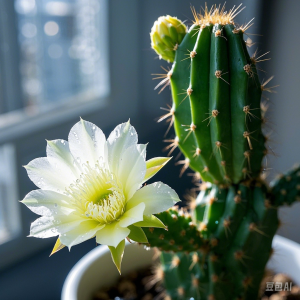
Cactus flowers are spectacular. Many varieties produce flowers that are larger than the cactus itself. Gymnocalyciums bloom for months, one flower after another. Astrophytum flowers are soft pink and look almost surreal.
How to encourage blooming:
-
Lots of light. Without enough light, they will only grow and never bloom.
-
Winter dry rest. Many cacti need a cool, dry dormant period in winter to trigger spring blooming. Cut off water and keep them at 40-50°F (5-10°C) for a few months.
-
Fertilize in spring. Once temperatures warm up, apply a phosphorus-rich fertilizer (like a bloom booster) to encourage flower buds.
My first year, I kept watering through winter. The next spring, not a single flower bud. After I learned to let them rest dry and cool in winter, I get a spectacular bloom show every spring. So satisfying.
Lesson 8: Pests Are Rare but Not Impossible
Cacti get fewer pests than succulents, but they are not immune.
Common issues:
-
Spider mites: Appear in hot, dry conditions. You will see tiny yellow-brown spots and fine webbing. Use a magnifying glass to spot them. Treat with miticide or wipe with alcohol.
-
Mealybugs: Small white cottony bugs hiding between spines. Dab with a cotton swab dipped in 70% alcohol.
-
Root mealybugs: Live in the soil, feeding on roots. When repotting, inspect the roots. Mix systemic insecticide granules into the soil as a preventive.
My prevention methods:
-
Keep airflow moving, especially in humid weather.
-
Quarantine new plants for a few days before placing them with your collection.
-
Mix a little systemic insecticide (like imidacloprid granules) into the soil when repotting.
Lesson 9: Repotting and Root Pruning Matter
A lot of people never repot their cacti. But repotting encourages growth and lets you check the roots.
My repotting schedule:
-
Seedlings: once a year.
-
Mature plants: every 2-3 years.
-
Best time: early spring, just before the growing season starts.
How to prune roots:
-
Remove old, dry, or rotten roots.
-
Keep a few healthy main roots.
-
After pruning, let the cactus sit in a dry, shaded spot for 5-7 days. The cut roots need to callus over.
-
Then plant in dry soil. Wait a week before watering.
The first time I pruned roots, I was scared. I thought I would kill it. But cacti are surprisingly tough. Pruning old roots stimulates new root growth, and the plant grows much faster afterward.
Lesson 10: Growing from Seed Is Slow but Rewarding
Growing cacti from seed takes immense patience, but it is incredibly satisfying. Seeds are cheap, but they grow extremely slowly. Some varieties take three years to reach one centimeter.
Seed starting tips:
-
Sterilize the soil with a diluted potassium permanganate solution or by baking it in the oven.
-
Sprinkle seeds on the surface. Do not cover them.
-
Cover the pot with plastic wrap to retain humidity. Place in bright, indirect light.
-
After germination, slowly increase airflow to prevent mold.
-
Seedlings need consistent moisture. Do not let them dry out.
If you do not want to wait years, buy mature plants. CNGarden sells cacti in all sizes, from seedlings to blooming adults. Or, if you just want the look without any work, their artificial plants et fake flowers are incredibly realistic.
Réflexions finales
After three years of growing cacti, my conclusion is simple: they are perfect for lazy plant parents. You do not need to fuss over them. You do not need to worry about watering. Put them in good light, water occasionally, and they will thrive on their own.
I have killed my share. Some rotted from overwatering. Some froze in winter. Some rotted after repotting because I did not let the roots callus enough. But none of that has dampened my love for cacti.
If you have good sunlight and want low-maintenance plants, cacti are the answer. If you do not have good light, do not give up. CNGarden makes incredibly realistic artificial cacti. A friend of mine has no balcony, so she bought a few of their fake cacti. Honestly, from a few feet away, you cannot tell they are not real.
I hope my experience helps you. Growing cacti is a journey. Take it slow, observe your plants, and you will fall in love with them too.
CNGarden offers high-quality live cacti, succulents, pots, and soil. They also have stunning artificial plants et fake flowers that look incredibly real. Whether you enjoy hands-on plant care or just want something beautiful that needs no attention, CNGarden has the right choice for you.
 English
  Arabic
  Dutch
Dutch  German
  French
  Portuguese
  Spanish
  Russian
  Japanese
  Korean