

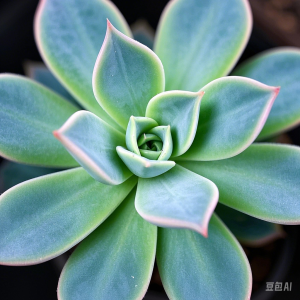
Alright, let’s get straight to the point. You want beautiful plants in your space, but maybe you don’t have the time, the light, or the luck to keep real ones alive. Maybe you’re designing a hotel lobby that needs to look perfect 24/7, or a windowless office that needs a touch of life. That’s where modern النباتات الاصطناعية come in—but not all fakes are created equal.
As someone who has been sourcing and specifying these materials for commercial and residential clients for over a decade, I’ve seen the good, the bad, and the downright ugly. I’m here to cut through the confusion and give you a clear, practical guide to understanding the world of المساحات الخضراء الاصطناعية, from styles and materials to smart placement and common pitfalls. This isn’t about choosing “fake” over “real”; it’s about choosing the right tool for your specific design challenge.
Understanding the Hierarchy: From Decorative Prop to Design Element
First, you need to know what you’re buying into. Think of the market in three distinct tiers, each with its own purpose and price point.
-
The Decorative Prop (Budget Tier): These are your mass-market finds. Made from basic plastics and polyester, their goal is to suggest greenery from a distance. The color is often too uniform and vibrant, with a tell-tale plastic sheen. Use these for high-up shelf decor, event backdrops, or anywhere they won’t be scrutinized up close. Their value is in volume and low cost, not realism.
-
The Scene-Setter (Quality Tier): This is where realism takes a significant leap. Plants in this category, often using UV-resistant polyethylene (PE), are molded from actual plant specimens. This captures true-to-life textures—the veins on a leaf, the slight irregularities. Many feature real wood trunks for added authenticity. These are your workhorses for offices, healthcare facilities, and residential spaces where people will be within a few feet. They are durable, cleanable, and convincing.
-
The Design Statement (Premium/Artistic Tier): At this level, the النباتات الاصطناعية transcends imitation. It becomes a piece of intentional design. This includes hyper-realistic botanicals that can fool even keen gardeners, as well as stylized, abstract pieces meant to evoke nature rather than copy it. Materials might include advanced composites, hand-painted finishes, and preserved natural elements. This tier is for high-end hospitality, luxury retail, and discerning homeowners where every detail matters.
The Material Breakdown: What Makes Quality “Faux”
The magic is in the materials. When you’re evaluating a product, here’s what to look for:
-
Polyethylene (PE) & UV Treatment: This is the gold standard for foliage. High-quality PE is flexible, has a natural matte finish, and can be molded with incredible detail. Crucially, for any plant near a window, ensure it’s UV-treated to resist fading. Without this, your beautiful green investment will turn pale and brittle in a matter of months.
-
Real Wood Integration: For trees and larger shrubs, nothing beats the authenticity of a real wood trunk or branch system. It provides the correct weight, texture, and organic variation that plastic alone cannot replicate.
-
Construction is Key: Look for hand-assembled units. This means individual leaf stems are inserted into the main branch, creating a natural, non-repetitive growth pattern. Avoid plants where all the foliage sprouts from a single, obvious central point—it’s a dead giveaway of cheap construction.
-
Weighted Bases: A quality plant should feel substantial. Weighted ceramic or composite planters prevent tipping and add to the overall premium feel. A lightweight pot is a sign of corner-cutting.
Smart Application: Where & How to Use Artificial Greenery Effectively
The goal is to enhance your space, not fill it with plastic. Here’s how to apply them strategically.
1. Solve a Problem, Don’t Just Fill a Corner.
The best use cases address a specific design limitation:
-
The “No-Light Zone”: Bathrooms, interior hallways, corporate cubicles.
-
The “High-Maintenance Headache”: Large atriums, high shelves, behind furniture.
-
The “Consistency-Required” Space: Hotel chains, restaurant branding, model homes where the look must remain identical and perfect every single day.
-
The “Allergy or Pet-Friendly” Home: For those who love the look of plants but can’t have pollen or toxic varieties around pets.
2. Master the “Mix and Match” Principle.
The secret pros use? Never go 100% fake. The most convincing interiors blend real and artificial. Place a stunning artificial fiddle leaf fig in a dark corner, and surround its base with a real, low-light ground cover like peat moss in the planter. Use real trailing pothos in a well-lit spot, and complement it with artificial ferns in the shadows. The real plants provide life and variation, while the artificial ones ensure fullness and structure where needed.
3. Elevate with Lighting and Styling.
Even the best artificial plant will look cheap under harsh, direct overhead light. Use warm, indirect lighting to cast natural-looking shadows through the leaves. Dust them regularly (a can of compressed air is perfect for silk and PE plants). And please, avoid overly symmetrical arrangements. Nature is random—bend the branches, vary the angles, and make it look organic.
Spotting & Avoiding Common Mistakes
Let me save you from the errors I see most often:
-
The “Uncanny Valley” of Color: Avoid plants with overly bright, uniform green. Real leaves have color variation—lighter new growth, darker mature leaves, and different tones on top versus underneath.
-
The Plastic Shine: If it glistens under lights, it’s low-quality. Seek out matte finishes.
-
The “Potted in Gravel” Giveaway: Many low-end plants come with a surface of glued-on gravel or oddly colored foam “soil.” Repot them into a quality container with real decorative mulch, moss, or stones. This single step can elevate a mediocre plant dramatically.
-
Ignoring Scale: A tiny plant on a vast empty wall looks lonely, while an oversized tree in a small room feels oppressive. Measure your space and choose a size that commands attention without overwhelming.
Final Verdict: Is It Worth the Investment?
For the right application, absolutely. Here’s my simple framework for deciding:
-
Choose High-Quality Artificial When: You have a specific, permanent lighting or maintenance challenge; you need guaranteed, zero-fail consistency; or the plant is a large, architectural focal point.
-
Stick with Real Plants When: You have ample light and enjoy the care routine; you want the air-purifying benefits and natural scent; or the plant will be interacted with closely (like kitchen herbs).
Ultimately, modern المساحات الخضراء الاصطناعية is a powerful and legitimate tool in the designer’s toolkit. By understanding the tiers, investing in quality materials, and applying them with strategic intent, you can enjoy lush, beautiful, and worry-free greenery exactly where you need it most. It’s not about giving up on nature—it’s about designing with intelligence.
 English
  Arabic
  Dutch
Dutch  German
  French
  Portuguese
  Spanish
  Russian
  Japanese
  Korean